
Pulse Ultrasound.

What is a General Scan?
General ultrasound imaging is widely used to evaluate organs in the abdomen and pelvis, as well as superficial glands and lumps. It provides real-time, high-resolution imagery to assist in diagnosing pain, swelling, and infections.
Please note: We do not offer pregnancy (obstetric) scans.
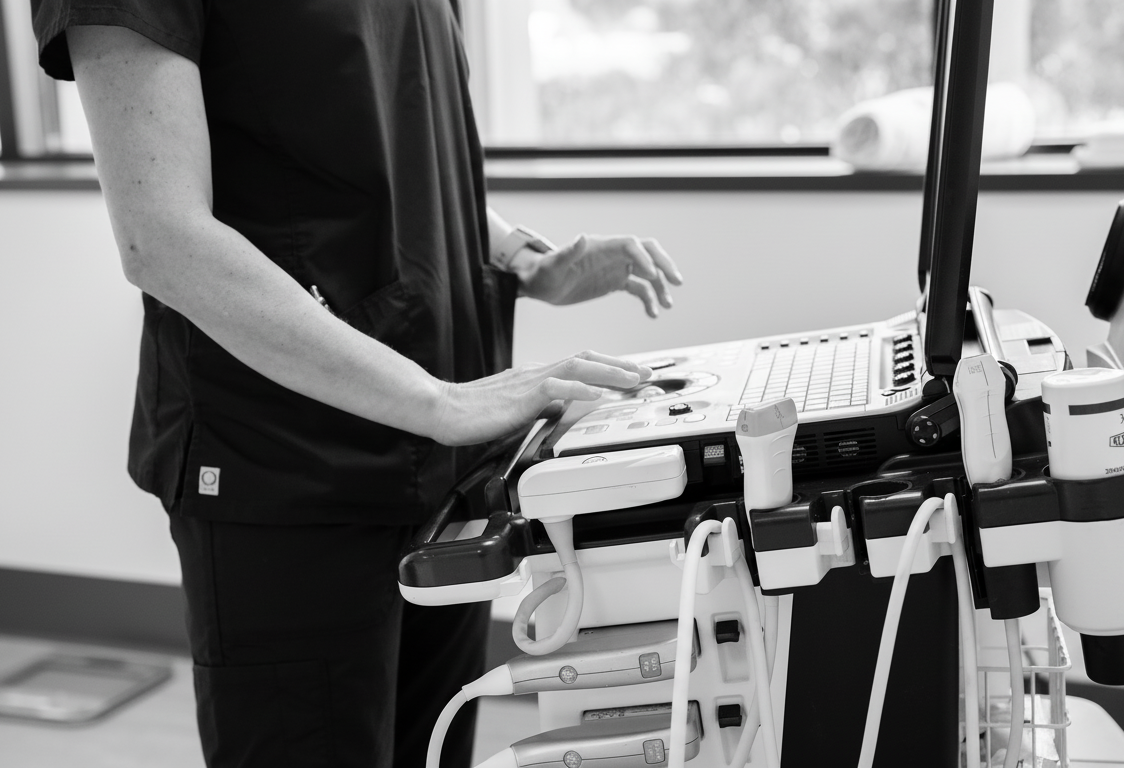
General Ultrasound Overview
Explore the core general diagnostic scans available at Pulse Ultrasound, then jump directly to the section that best suits your clinical question.
Thyroid & Salivary Glands
High-resolution ultrasound evaluates thyroid size, texture, nodules, and nearby salivary glands without radiation, helping identify inflammation, cysts, or structural change.
This scan is frequently requested for people with throat fullness, hoarseness, abnormal blood tests, or palpable lumps around the lower neck and jawline.
Helps investigate
- Thyroid nodules or goitre
- Salivary duct swelling
- Unexplained throat discomfort
Neck Lumps
Neck lump ultrasound examines superficial tissues, muscles, and lymph nodes to differentiate reactive changes from cysts or benign tumours.
It offers clarity for patients who notice new swellings after infections or injuries, supporting clinicians before biopsy or watchful waiting.
Useful for
- Persistent or growing lumps
- Post-viral swelling
- Surgical follow-up
Breast Lumps
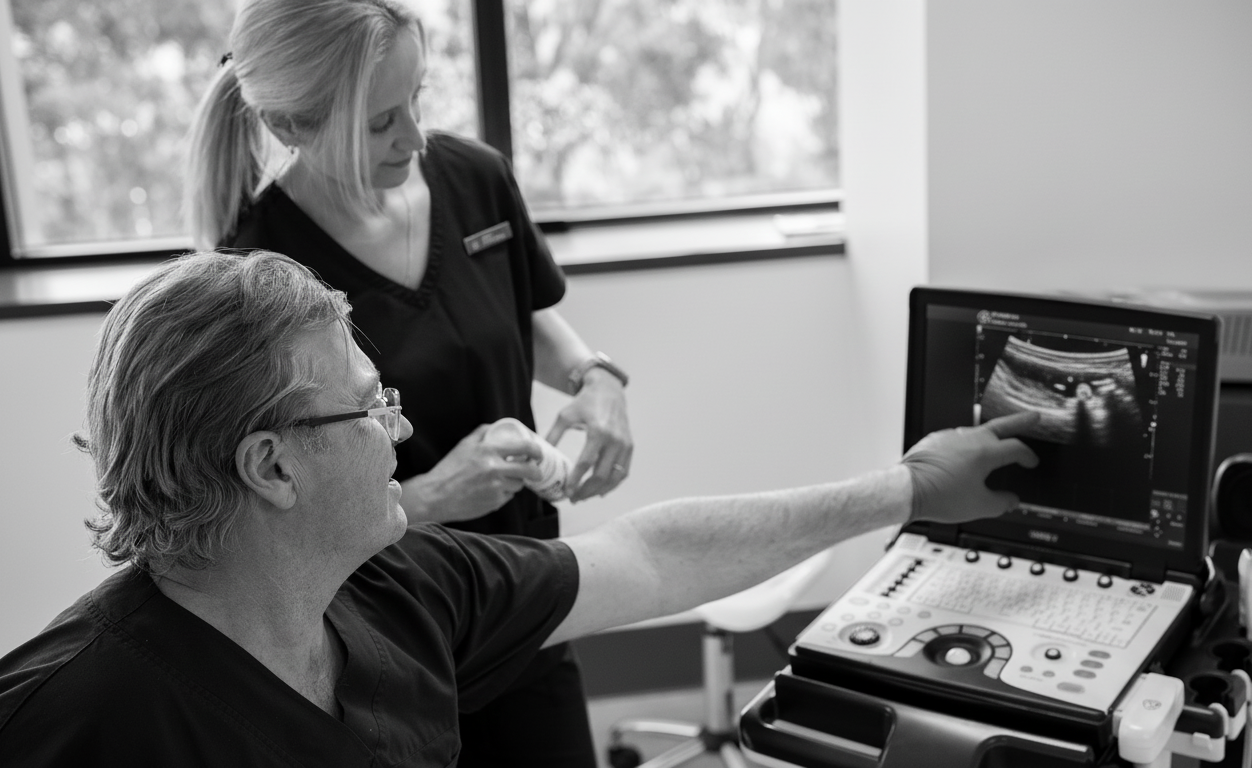
Breast ultrasound characterises palpable areas, distinguishing solid from cystic change and guiding further imaging or sampling.
We work closely with referrers to provide prompt appointments when patients detect new lumps, notice localised tenderness, or require follow-up after mammography.
Common reasons
- New focal lump or pain
- Monitoring benign change
- Clarifying mammogram findings
Soft Tissue Lumps
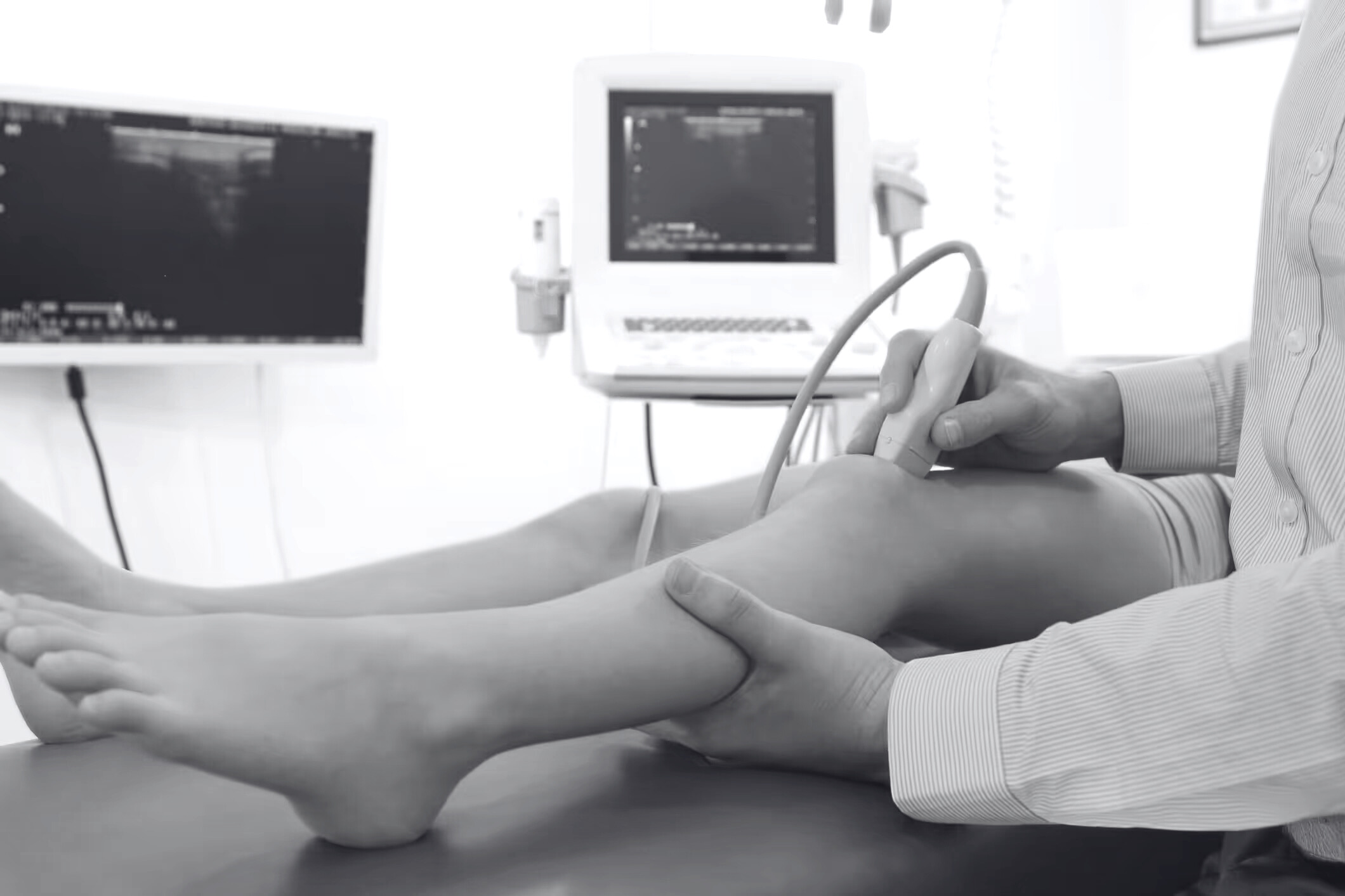
Ultrasound can determine if a lump under the skin is fluid-filled, fatty, vascular, or inflamed, assisting in choosing observation versus intervention.
People often seek this scan when they notice lipomas, residual bruising, or unexplained swelling following minor trauma.
Highlights
- Characterises cysts vs. solid lesions
- Guides aspiration planning
- Evaluates tenderness or redness
Hepatobiliary & Gallbladder
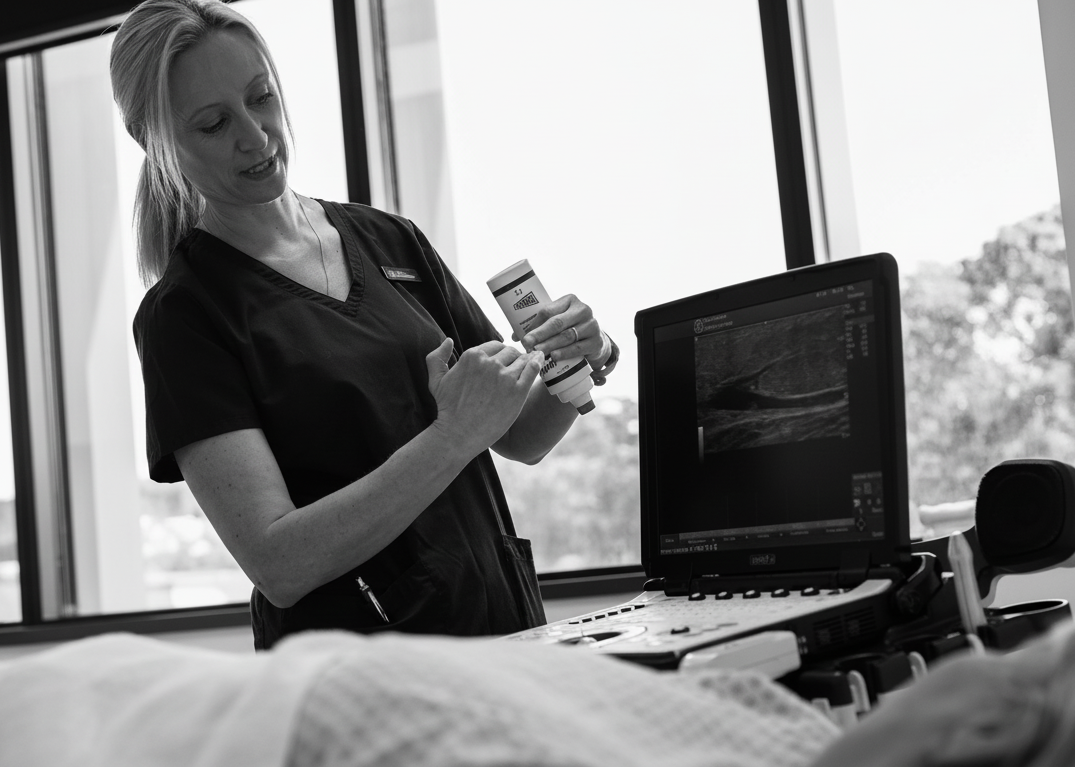
This study reviews the liver, bile ducts, gallbladder, and pancreas to detect gallstones, fatty change, or bile duct dilation.
It is an ideal first-line test for right upper abdominal pain, abnormal liver function tests, or monitoring of known liver conditions.
Helps monitor
- Gallstones or polyps
- Hepatitis or fatty liver
- Post-operative symptoms

Kidneys
Renal ultrasound checks kidney size, drainage, and blood flow to detect stones, obstruction, or cysts without using contrast dye.
Symptoms such as flank pain, recurrent urinary infections, or abnormal blood results often prompt this safe, repeatable scan.
Frequently requested for
- Kidney stone surveillance
- Hydronephrosis follow-up
- Chronic kidney disease review
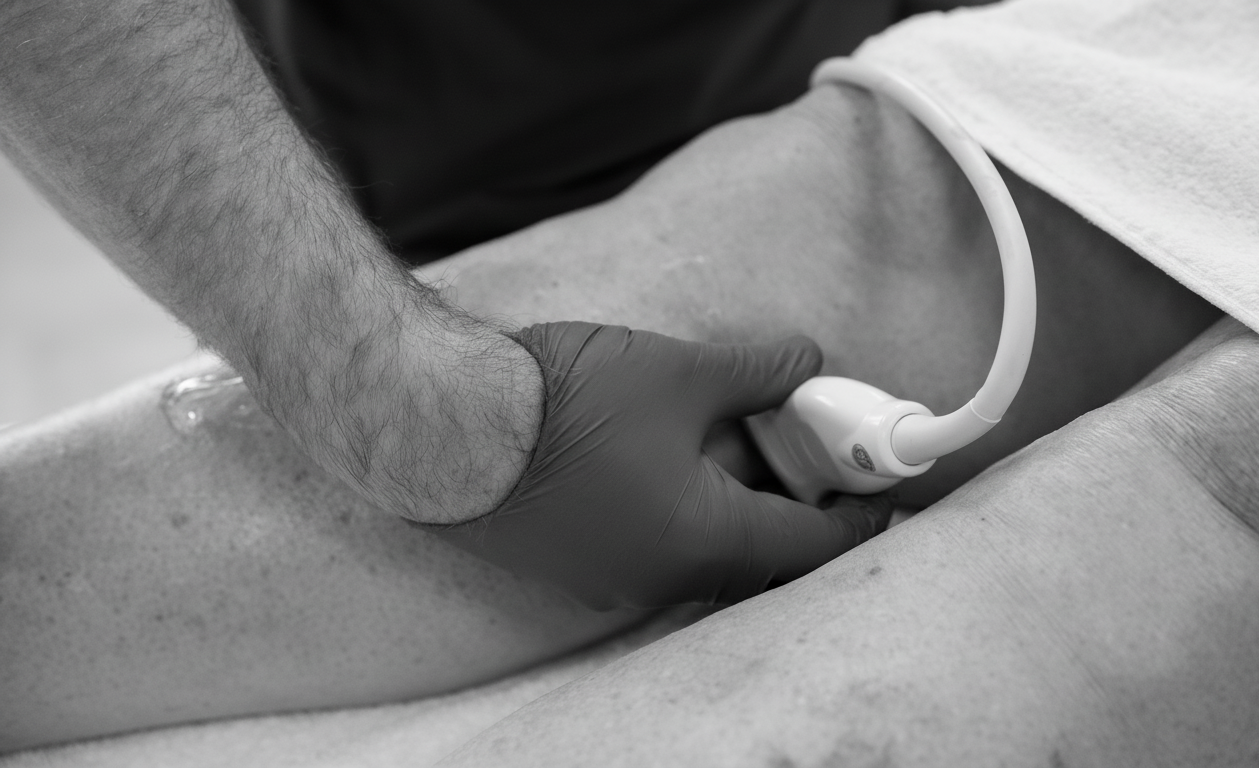
Uterus, Ovaries & Pelvis
Pelvic ultrasound (transabdominal and, when appropriate, transvaginal) visualises the uterus, ovaries, and adnexa to investigate bleeding, fertility concerns, or pelvic pain.
The scan offers a detailed view of fibroids, endometrial thickness, ovarian cysts, and IUD position with immediate feedback.
Common indications
- Heavy or irregular periods
- Fertility workup
- Pelvic pressure or bloating
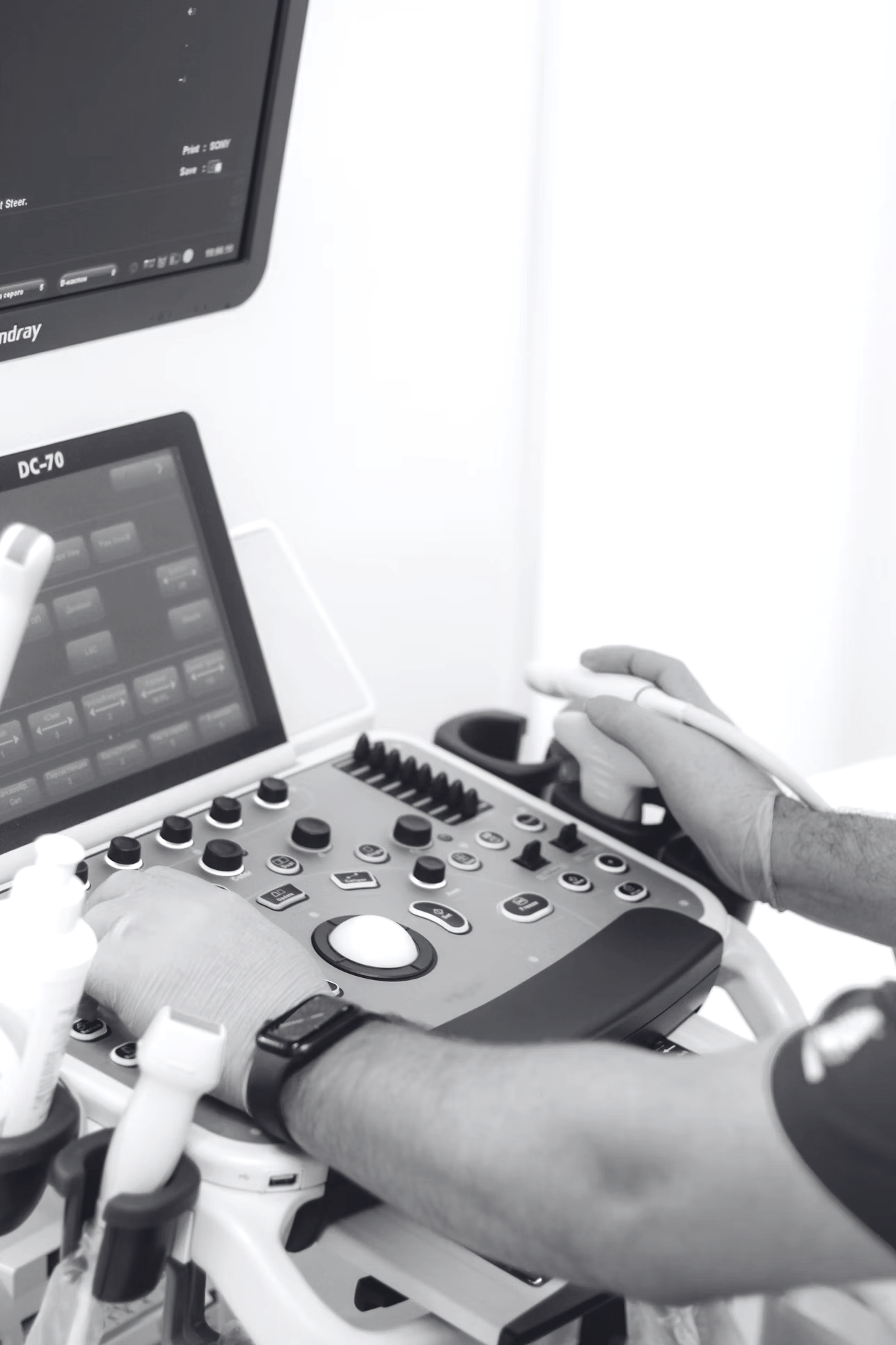
Bladder
Bladder ultrasound assesses wall thickness, post-void residual, and nearby structures, aiding in the diagnosis of urinary retention or recurrent infections.
It is reliable for monitoring neurogenic bladder, pelvic floor issues, or symptoms such as urgency and nocturia.
Ideal for
- Incomplete emptying
- Recurrent UTIs
- Pre/post surgery checks
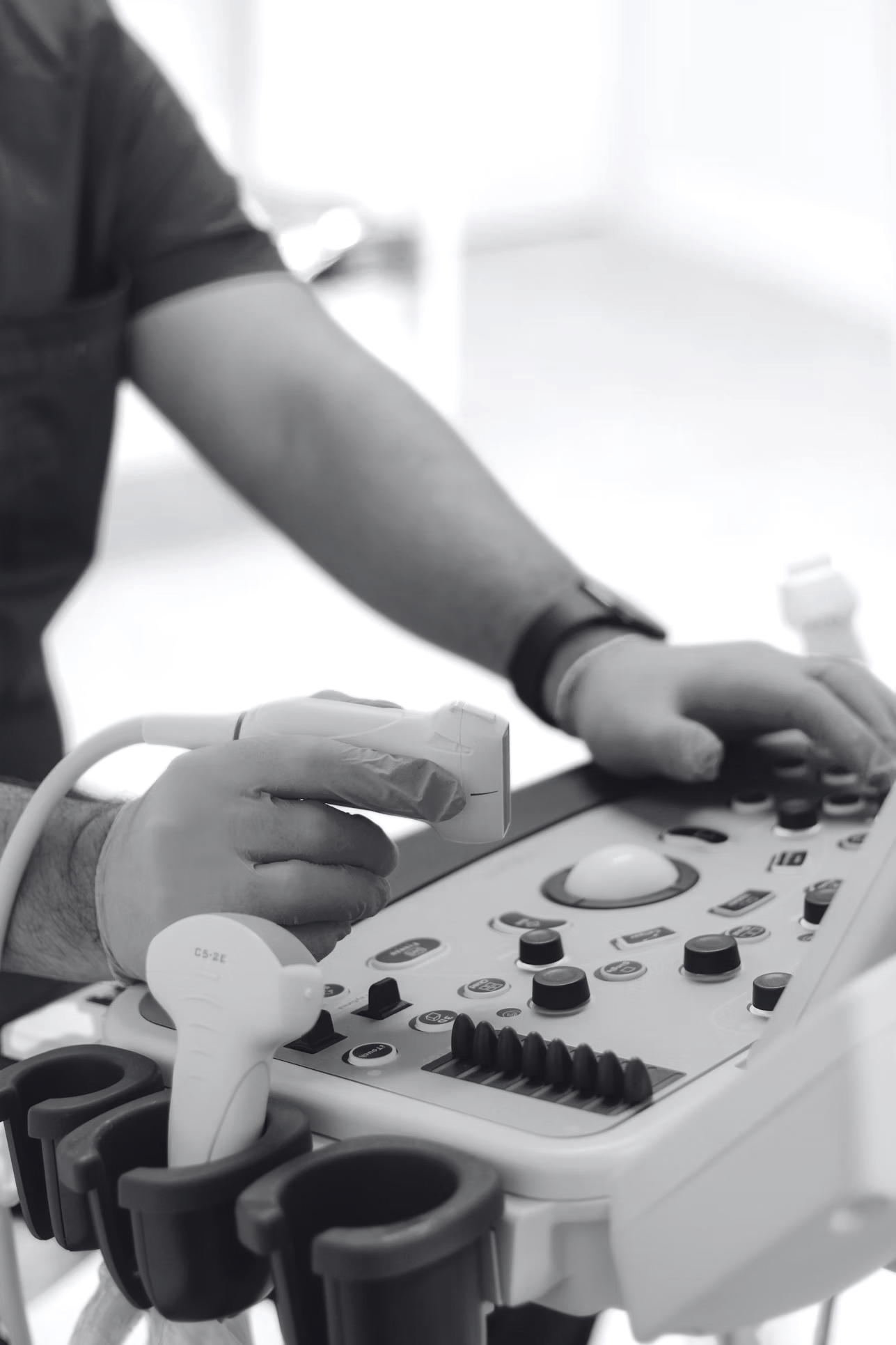
Scrotum & Testicles
This targeted ultrasound reviews the testes, epididymis, and surrounding vessels to pinpoint causes of pain, swelling, or fertility change.
It quickly identifies torsion, epididymitis, varicoceles, or hydroceles and is a key tool for reassurance when patients detect new lumps.
Common reasons
- Acute scrotal pain
- Infertility assessment
- Post-vasectomy symptoms

Lymph Nodes
Ultrasound assesses lymph node size, shape, and internal blood flow to distinguish reactive nodes from those requiring further workup.
It helps referrers triage patients experiencing persistent swelling after infection, autoimmune flare, or cancer follow-up.
Supports
- Oncology surveillance
- Autoimmune monitoring
- Post-viral swelling
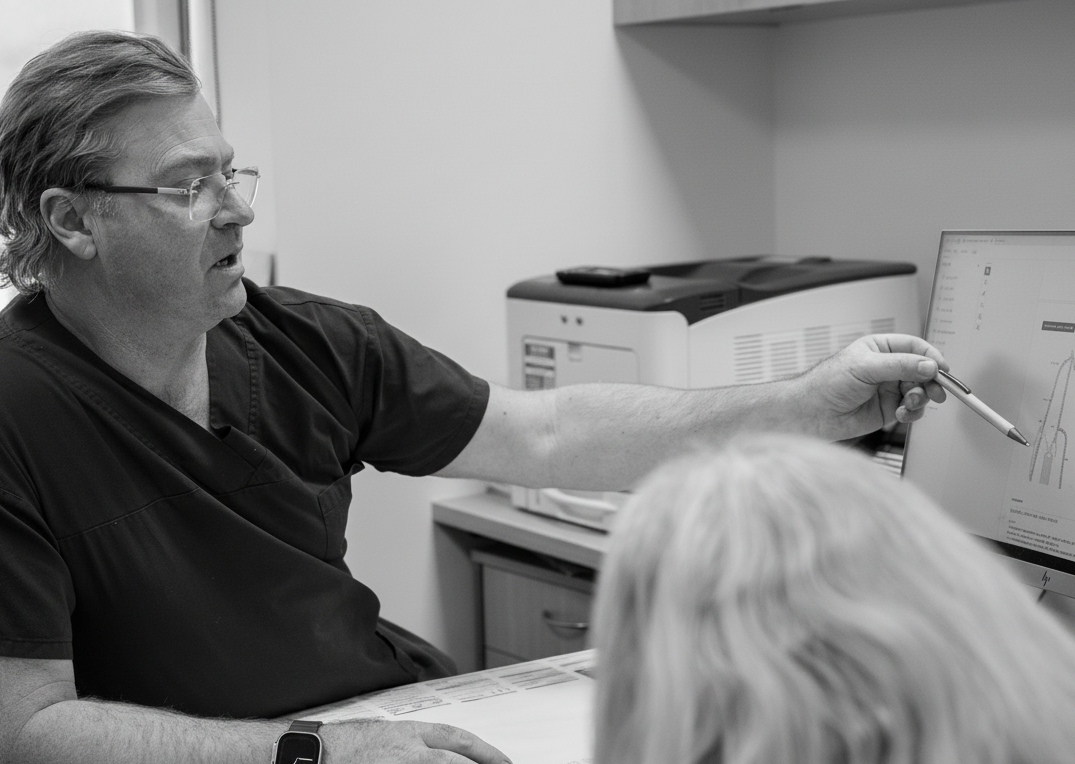

Make an Enquiry.
Request a callback or book your ultrasound scan. Referrals are welcome but not always required.
Phone: 0800 45 45 88
Email: info@pulseultrasound.nz
Office Address: 39 Ghuznee Street, Wellington, NZ